
Products / Thujopsene
Low-Oder, Refined Thujopsene
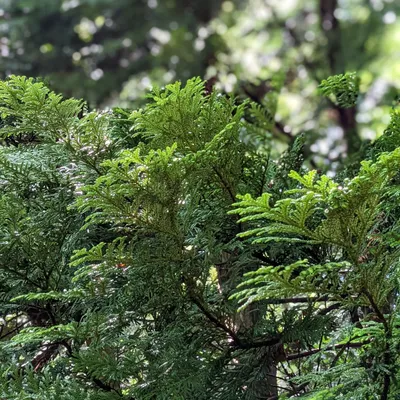
Thujopsene over 75% / Low-odor design / Sustainable upcycled material / Derived from Aomori cypress (Thujopsis dolabrata)
Product & Material Overview
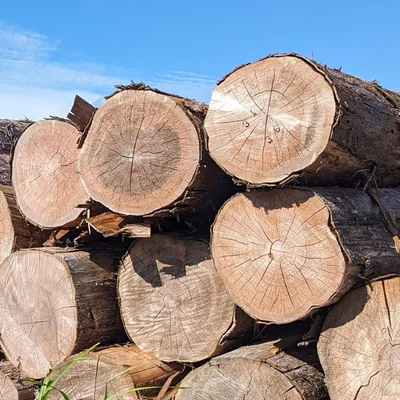
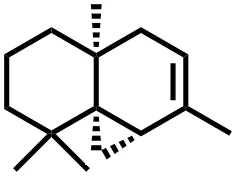
Thujopsene is a type of sesquiterpene found in the heartwood and oils of coniferous trees such as Japanese cypress and cedarwood.It is a naturally derived ingredient that has long been used in the fragrance and aromatherapy fields. This material focuses on the neutral oil fraction of Aomori cypress oil, which remains after separating and refining useful components such as hinokitiol. By reducing unwanted impurities through a unique refining technology, we have developed thujopsene as a low-odor functional material with a purity of 75% or higher. By effectively utilizing the neutral oil fraction of cypress oil, this natural resource, which has not been fully utilized in the past, is being transformed into a high-value-added material. While minimizing the impact of odor from residual impurities, it leverages the characteristics of a naturally derived material and is expected to have applications in a wide range of fields, from cosmetics to daily necessities.
Technical Advantages
- Significantly Reduced Residual Odor
With naturally derived ingredients, the presence of multiple fragrance components other than the active ingredient can limit their uses. This product reduces impurities through a refining process, resulting in a low-odor design that minimizes its impact on the fragrance of formulated products.
- Effective utilization of the neutral oil fraction of cypress oil remaining after hinokitiol purification.
This material utilizes a neutral oil fraction obtained after separating hinokitiol and other components from cypress oil. By transforming naturally derived components that would otherwise be underutilized into functional materials, it is an upcycled material that contributes to the effective utilization of forest resources and essential oil by-products. It also supports to sustainable formulation design and the promotion of the use of local resources.
- High purity and stable quality
The standard specification is set at a thujopsene content of 75% or higher. Customized grades with further enhanced purity are also available upon request. It has high lipid solubility and excellent compatibility with other oil-based ingredients.
Functional Efficacy Evidence
- Insect repellent
Regarding cypress oil, domestic publications have dealt with its insecticidal and repellent effects against sanitary pests, and reports have been made on the cockroach repellent effect of cypress extract, the inhibition of house dust mite behavior, and the termite resistance of Japanese cypress wood. The Tohoku Regional Forest Office of the Forestry Agency has also introduced existing literature on the insecticidal activity of cypress essential oil against German cockroaches, the inhibition of dust mite behavior, and termite resistance. Thujopsene is known as one of the main components of cypress oil and is positioned as a component related to insecticidal properties in essential oil composition information. Furthermore, studies dealing with the termite-repellent and antifungal activity of natural thujopsene derivatives have also been reported, providing supplementary evidence to support the insecticidal and termite-repellent uses of cypress-derived components [1][2][3].
- References
[1] Okabe T. et al. (2012). Journal of Japan Association on Odor Environment, 43(2), 128–137. [2] Tohoku Regional Forest Office, "Characteristics of Japanese cypress: Insect repellent and insecticidal effects." [3] Mukai A. et al. (2018). European Journal of Wood and Wood Products, 77 (2), 311–317.
Potential Application Fields
- Low-odor insect repellent and insect-repellent material
Based on our expertise in insect repellent and insect-repellent properties derived from cypress oil, we can propose this natural material for spaces and materials where you want to avoid fragrance transfer or chemical odors. Because excess odor is suppressed through refining, it is suitable for insect repellent designs that do not interfere with existing fragrances or product quality in food factories, warehouses, store backrooms, packaging materials, and non-food contact areas.
- Daily necessities that promote sustainable formulations and upcycling.
By designing a product that effectively utilizes the neutral fraction of cypress oil remaining after hinokitiol refining, it promotes resource recycling and adds high value to unused components. This material can be used in insect repellent mists, stationary insect repellents, clothing and storage care products, aromatherapy goods, and cosmetic bases, simultaneously appealing to consumers with its natural origin, low odor, and efficient resource utilization.
Gallery



Material Information
Composition: Thujopsene content: NLT 75% (standard specification) Source Material: Aomori Cypress(Thujopsis dolabrata)
Disclaimer
This document is based on general scientific knowledge and research reports regarding raw materials and does not guarantee the efficacy or effects of any specific product. The information provided is not intended for the diagnosis, treatment, or prevention of disease, nor does it indicate any medicinal effects. The research data and functional information presented are academic knowledge regarding raw materials or components and do not indicate that similar effects will be obtained in the final product. Research results were obtained under specific conditions, and results may vary depending on the amount used, formulation, and usage environment. In accordance with relevant laws and regulations such as the Pharmaceuticals and Medical Devices Act, the Premiums and Representations Act, and the Health Promotion Act, we avoid expressions that suggest medicinal effects. If you use the contents of this document in product advertising or promotional materials , please check the relevant laws and regulations and ensure appropriate labeling and advertising practices. We are not responsible for any product labeling or advertising expressions based on the contents of this document